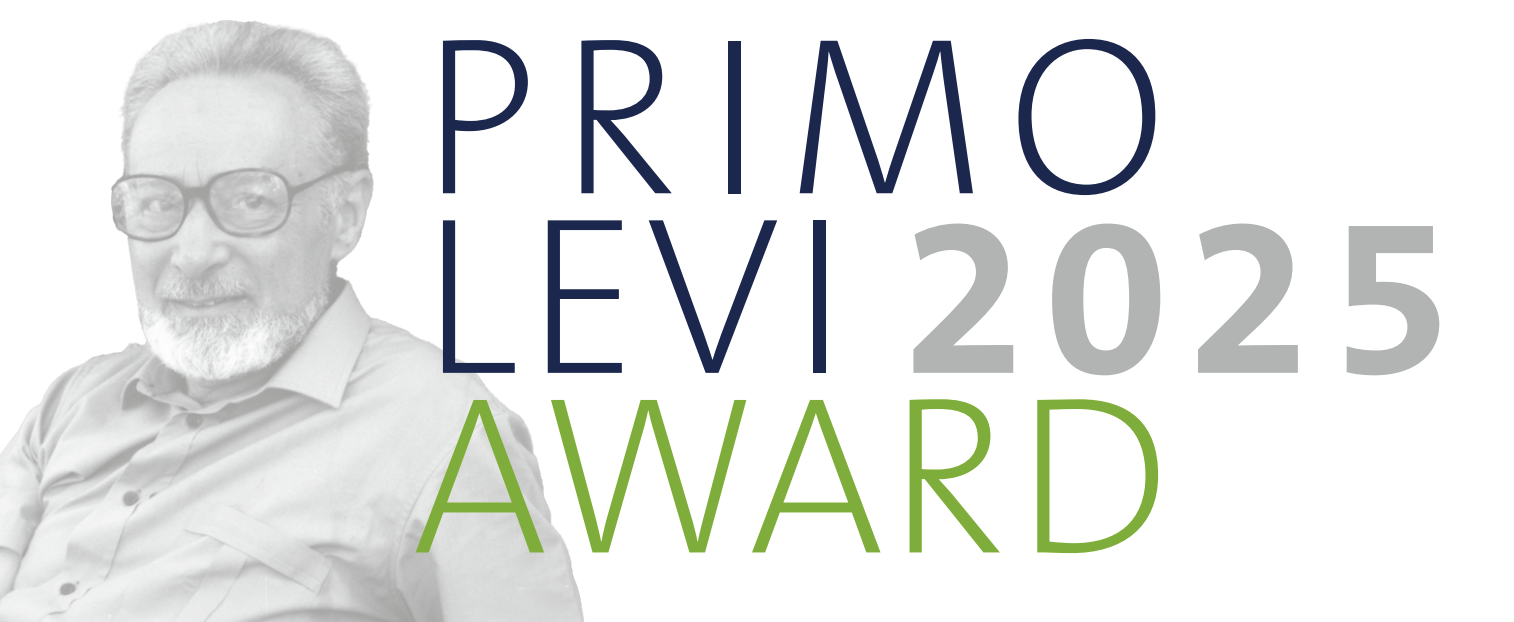
Primo Levi born into a Jewish family in 1919 and deceased in 1987 (both in Torino, Italy). He was a victim and survivor of Auschwitz the infamous concentration camp established and run by Germans in Nazi-occupied Poland. Levi studied chemistry from 1937 until 1941, worked then and in his later life in the chemical industry. He joined a partisan group in 1943 to fight against German occupants. Later he was arrested and deported to Auschwitz.
The highly acclaimed author Primo Levi wrote the most famous account “Se Questo è un Uomo” (“If This is a Man”) about his year as a prisoner in Auschwitz and “Il Sistema Periodico” (“The Periodic Table”) —21 short stories named after different elements—the best science book of all times according to the Royal Institution. With establishing the Primo Levi Award the Italian and German Chemical Societies pay tribute to their fellow chemist and remind the chemical community of its responsibility to contribute to a better world.
The Primo Levi Award recognizes outstanding achievements of chemists and scientists from neighboring fields in the service of humanity, in upholding human rights and for advancing the dialogue between chemistry and society.
Award Significance
Recognizing Excellence in Science Through the Legacy of Primo Levi